

Hair Transplant Surgery in Oakville
Understanding the cause is the first step. Restoring it properly is the next.
At Toronto Hair Transplant Surgeons, we take a surgeon-led approach to diagnosing and treating male hair loss — combining medical insight with long-term restoration strategies designed for natural, lasting results.
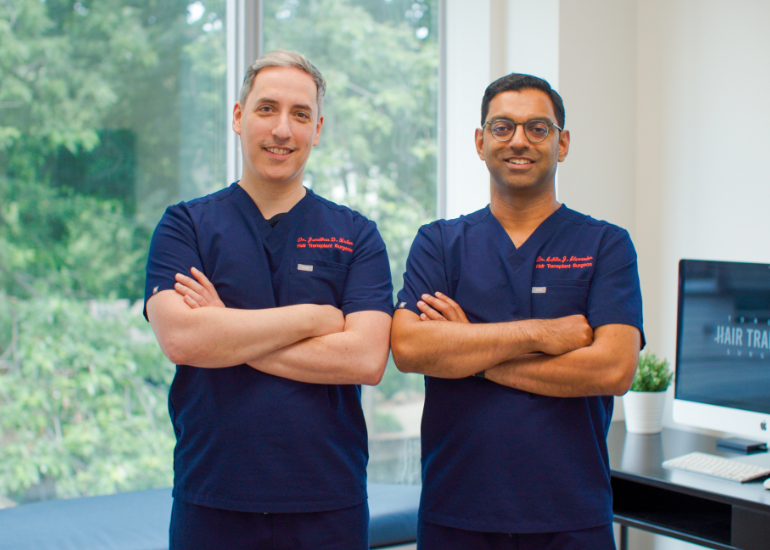
Toronto Hair Transplant Surgeons are internationally known for our pioneering work in hair transplantation.
Surgeon-Led Hair Restoration Focused on Natural, Long-Term Results
Hair loss rarely happens all at once. For most patients, it develops gradually over years — a receding hairline that becomes harder to style, thinning through the crown under bright lighting, or a loss of density that slowly changes how they see themselves in photos, at work, or in everyday life.
At Toronto Hair Transplant Surgeons, we understand that choosing to address hair loss is personal. Patients are not simply looking for more hair. They are looking for natural results, hair transplant cost guidance, and confidence in the people performing their procedure.
Located in Oakville, Toronto Hair Transplant Surgeons has helped men and women restore their hair through surgeon-led FUE, FUT, PRP, beard, and eyebrow restoration. Every procedure is guided directly by experienced surgeons who remain involved throughout the surgical process — from planning and hairline design to graft harvesting and recipient site creation.
Our philosophy is straightforward: successful hair restoration should look natural not only immediately after surgery, but years later as you continue to age and your hair loss evolves. That requires surgical judgment, long-term planning, and restraint — not simply placing the highest number of grafts possible.
Hair Loss Concerns We Commonly Treat
Hair loss affects patients differently depending on genetics, age, hair characteristics, hormonal factors, and progression patterns. A successful restoration plan begins with understanding not just where hair has been lost, but how the pattern may continue changing over time.
Male Pattern Hair Loss
Male pattern hair loss is the most common form of hair loss we treat. Many patients first notice recession through the temples or thinning around the crown before experiencing more generalized loss across the frontal scalp.
One of the biggest misconceptions about hair transplantation is that it is simply about replacing lost hair. In reality, modern hair restoration is about managing a finite donor supply strategically while creating a hairline and density pattern that will continue to look natural over decades.
This is why careful surgical planning matters. A hairline that appears aggressive or overly dense at age 35 may appear unnatural later if surrounding native hair continues to thin.
Female Hair Thinning
Hair loss in women often presents differently than it does in men. Instead of isolated recession, many women experience diffuse thinning across the scalp, widening part lines, or generalized volume loss.
Not every female patient is a candidate for surgery, which is why proper evaluation is important. Depending on the pattern and cause of thinning, treatment may involve PRP therapy, medical management, or surgical restoration in carefully selected areas.
For many women, the goal is not dramatic density changes, but restoring balance, framing, and confidence in a subtle, natural way.
Receding Hairline & Temple Recession
The frontal hairline plays a major role in facial framing and perceived age. Even small amounts of recession can significantly change appearance.
Hairline restoration requires more than simply filling an area with grafts. Factors such as facial proportions, hair caliber, density, curl characteristics, ethnicity, and future hair loss progression all influence how a hairline should be designed.
The most natural hairlines are often the ones that attract the least attention.
Crown Baldness & Vertex Thinning
Crown restoration can be particularly challenging because the area often continues expanding over time. The crown also requires a large number of grafts to create the appearance of meaningful density due to the natural swirl pattern and angle of growth.
For this reason, crown restoration often involves balancing immediate cosmetic improvement with long-term donor preservation and future planning.
Beard & Eyebrow Restoration
Facial hair restoration requires meticulous graft placement and an understanding of natural growth direction, angulation, and density patterns.
Beard restoration may help improve patchy or uneven facial hair growth, while eyebrow restoration requires especially refined placement techniques due to the delicate nature of eyebrow hair orientation and facial symmetry.
Hair Transplant & Hair Restoration Treatments in Oakville
Every treatment recommendation should be individualized. The “best” procedure depends on factors such as hair characteristics, donor availability, hairstyle preferences, degree of hair loss, future progression, and long-term goals.
FUE Hair Transplant
Follicular Unit Extraction (FUE) involves harvesting individual follicular units directly from the donor area and transplanting them into thinning or balding regions.
FUE is often preferred by patients who:
- Wear shorter hairstyles
- Prefer to avoid a linear donor scar
- Want a minimally invasive recovery process
- Require smaller or moderate graft sessions
Because follicles are removed individually, FUE leaves tiny circular extraction sites that typically heal as very small dot scars dispersed throughout the donor region.
FUE can produce exceptionally natural results when graft distribution, donor management, and hairline planning are approached conservatively and strategically rather than aggressively.
FUT Hair Transplant
Follicular Unit Transplantation (FUT) involves removing a thin strip of donor tissue from the back of the scalp, which is then microscopically dissected into individual follicular grafts.
FUT remains an excellent option for many patients, particularly those requiring larger graft sessions or those seeking to maximize donor efficiency over the long term.
FUT does create a linear donor scar. However, in the hands of experienced surgeons using refined closure techniques, the scar is often very difficult to detect, particularly when hair is worn at a moderate length.
One of the advantages of FUT is the ability to preserve surrounding donor hair while often obtaining a high number of healthy grafts in a single session.
Neither FUE nor FUT is universally “better.” The appropriate procedure depends on the individual patient and should be determined through careful consultation and long-term planning.
PRP Hair Therapy
Platelet-Rich Plasma (PRP) therapy uses concentrated growth factors derived from a patient’s own blood to support follicle health and improve hair quality.
PRP is commonly used:
- In early-stage thinning
- Alongside medical therapies
- As part of post-transplant support
- To help stabilize ongoing hair loss
While PRP is not a replacement for surgery in advanced hair loss cases, it can be a valuable part of a comprehensive hair restoration strategy.
Beard Hair Transplant
Beard transplantation can improve density, shape, and facial balance through carefully placed follicular grafts designed to match natural facial hair growth patterns.
Eyebrow Hair Transplant
Eyebrow restoration is one of the most detail-oriented forms of eyebrow hair transplantation due to the acute angles and directional changes of natural eyebrow hairs. Precision and restraint are critical for natural results.
Your Hair Transplant Consultation in Oakville
A proper hair transplant consultation should be educational, transparent, and individualized — not sales-driven.
During your consultation, your surgeon will evaluate:
- Your pattern of hair loss
- Hair characteristics and density
- Donor area availability
- Current progression of thinning
- Family history of hair loss
- Surgical candidacy
- Long-term restoration goals
Your scalp and hair will be examined as part of understanding your hair loss pattern and determining the most appropriate treatment approach. Patients experiencing active scalp disease or complex dermatologic conditions may first require assessment by a dermatologist or trichologist before surgical treatment is considered.
The consultation is also an opportunity to discuss:
- FUE vs FUT candidacy
- Graft estimation
- Recovery expectations
- Long-term planning
- Non-surgical options
- Future progression management
One of the most important parts of consultation is understanding not only what can be achieved surgically, but what should be achieved to maintain a natural appearance over time.
Why Patients Choose Toronto Hair Transplant Surgeons
Surgeon-Led Procedures
Many modern clinics rely heavily on technicians to perform critical parts of the procedure. At Toronto Hair Transplant Surgeons, the surgical process remains surgeon-led and surgeon-controlled.
Your surgeon remains directly involved in:
- Surgical planning
- Hairline design
- Donor harvesting
- Recipient site creation
- Overall graft strategy
Hair transplantation is both technical and artistic. Small decisions in angle, density, placement, and distribution can significantly influence long-term naturalness.
Long-Term Planning Over Short-Term Density
One of the most common mistakes in hair transplantation is planning only for the immediate cosmetic result without considering future progression.
We prioritize:
- Age-appropriate hairlines
- Donor preservation
- Natural density transitions
- Long-term facial harmony
- Future loss management
The goal is not simply to create density today, but to create results that continue looking appropriate years from now.
Experience & Surgical Focus
Toronto Hair Transplant Surgeons has focused exclusively on hair restoration for over two decades. Our clinic has treated patients across a wide range of hair loss patterns, hair types, and surgical complexities.
That experience matters because no two restorations are identical.
Honest Recommendations
Not every patient is an ideal surgical candidate. In some cases, non-surgical therapies, medical stabilization, or delaying surgery may be more appropriate.
We believe trust is built through transparency, not pressure.
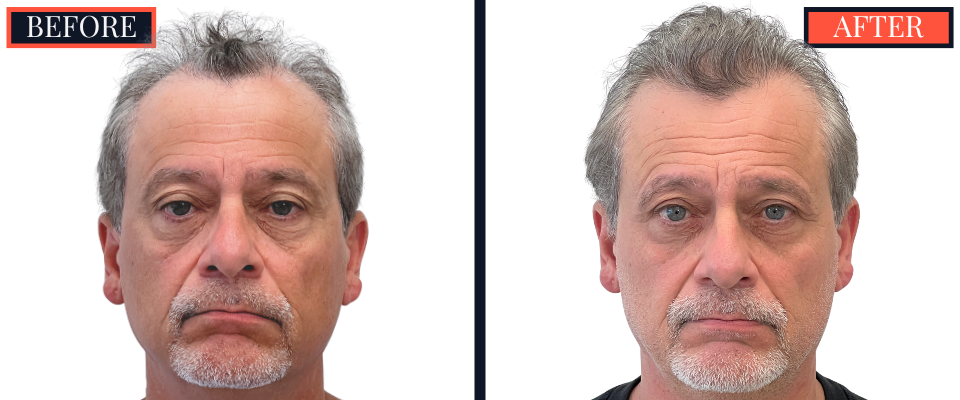
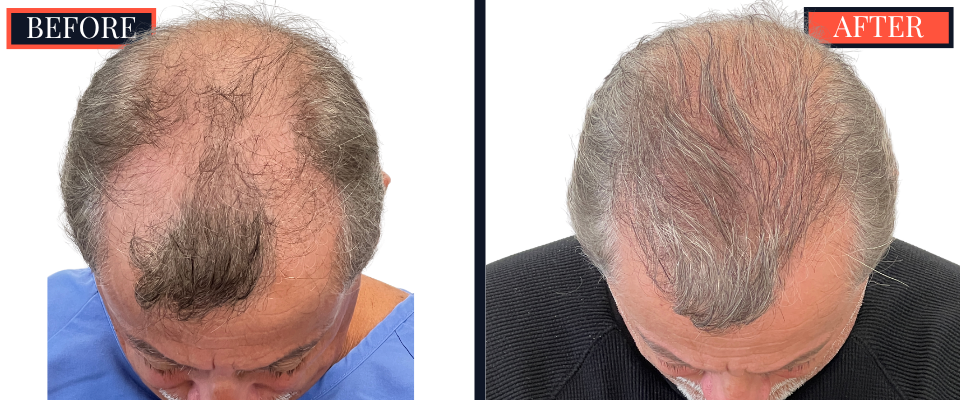
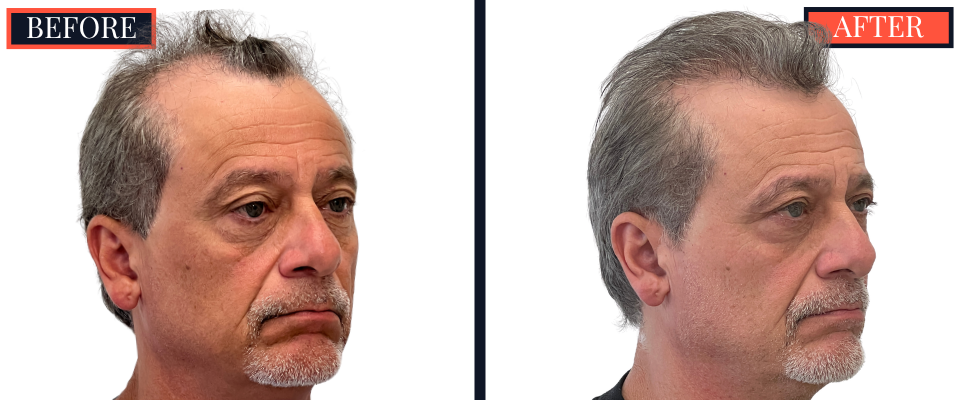
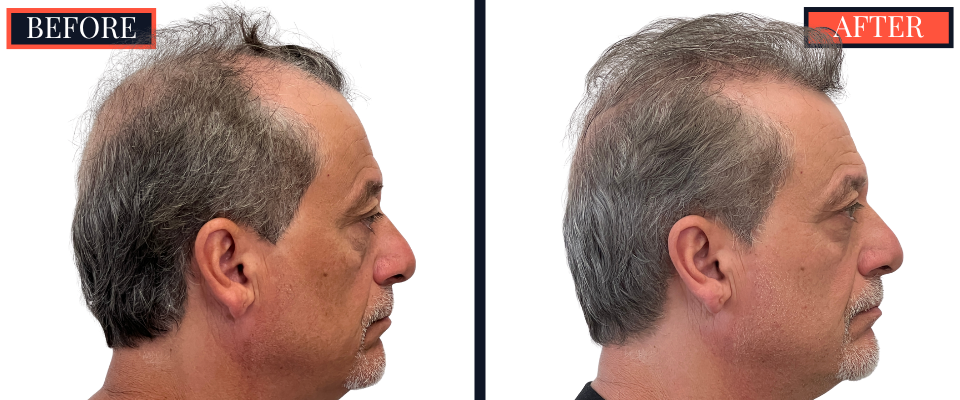
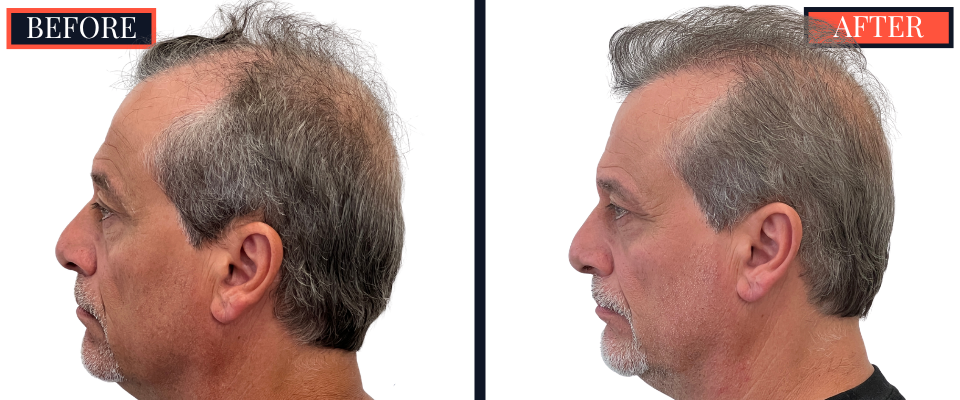
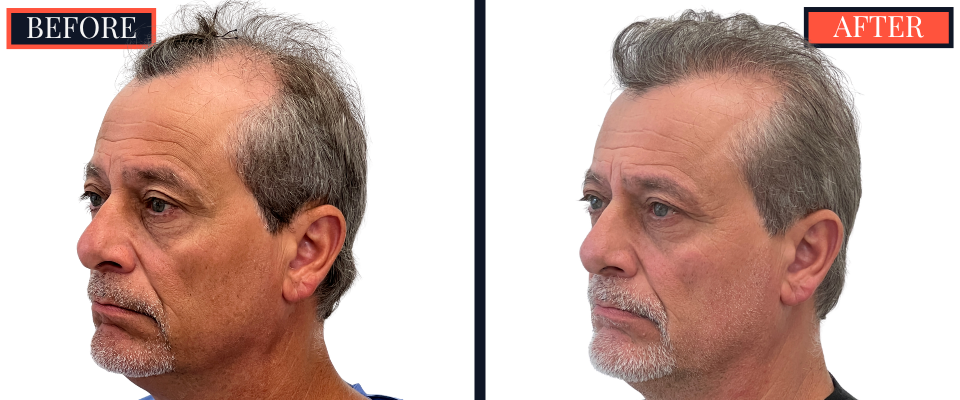
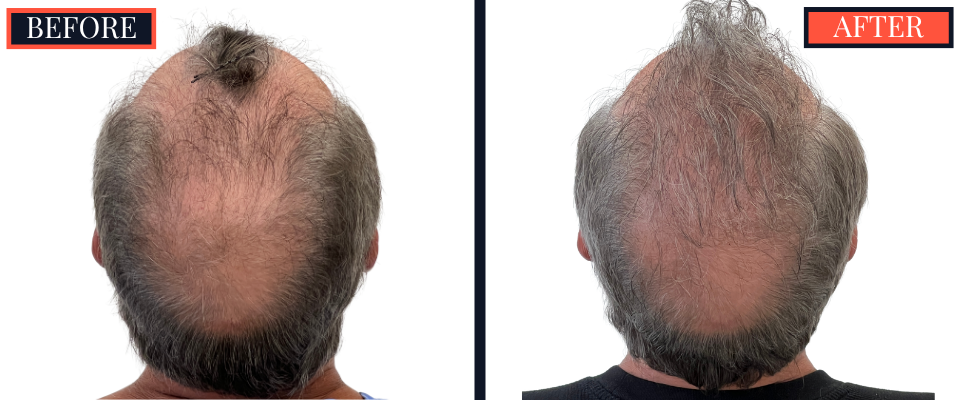
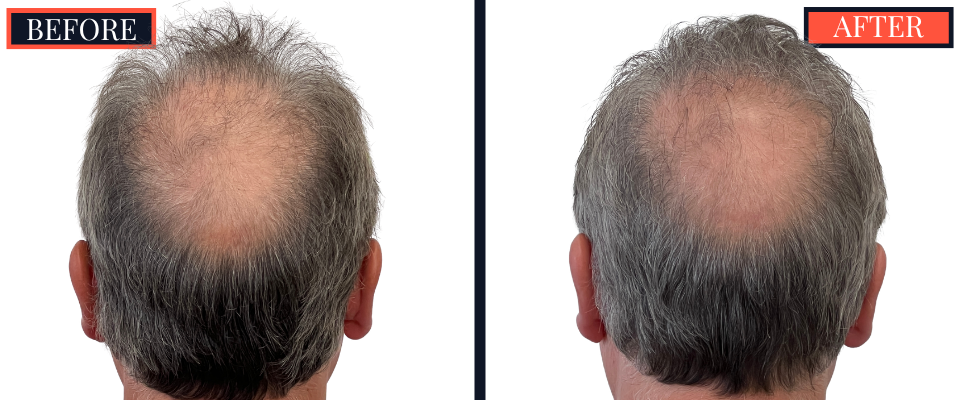
Before & After Hair Transplant Results
Before-and-after photographs can help patients understand what is realistically achievable through hair restoration surgery. However, results should always be interpreted within the context of:
- Starting hair characteristics
- Degree of hair loss
- Donor availability
- Hair calibre
- Styling
- Lighting
- Long-term progression
Natural results are rarely about creating the lowest hairline or the highest density possible. They are about balance, proportion, and planning.
To explore examples of hairline restoration, crown work, FUT procedures, FUE procedures, beard restoration, and repair cases, visit our hair transplant results gallery.
Frequently Asked Questions
Is FUE or FUT better?
Neither procedure is universally better. FUE and FUT each have advantages depending on the patient’s hair loss pattern, donor characteristics, hairstyle preferences, and long-term goals.
Will my transplant look natural?
Naturalness depends on careful hairline design, graft placement, density distribution, and long-term planning. Conservative, thoughtful surgical design is often what creates the most believable results.
How many grafts will I need?
The number of grafts required depends on the size of the area being restored, donor availability, hair characteristics, and desired density.
How long does recovery take?
Most patients return to non-physical work within several days, although visible healing timelines vary depending on the procedure performed and individual healing characteristics.
Are the results permanent?
Transplanted follicles are generally resistant to genetic hair loss. However, native surrounding hair may continue thinning over time, which is why long-term planning and ongoing management are important.
Do your surgeons perform the procedure personally?
Yes. All critical surgical steps are performed directly by experienced surgeons.
Book a Hair Transplant Consultation in Oakville
If you are considering hair restoration, the first step is understanding your options clearly and honestly.
Whether you are exploring FUE, FUT, PRP, beard restoration, or eyebrow transplantation, our team is here to help guide you through the process with experience, transparency, and individualized care.
Book your consultation today to learn what thoughtful, surgeon-led hair restoration can achieve.