

Hair cloning has generated significant excitement because it has the potential to overcome one of the biggest limitations of hair transplantation—the finite supply of donor hair. While researchers continue to make encouraging progress in regenerative medicine and hair follicle cell research, true hair cloning is not currently available as a routine clinical treatment.
In this article, we’ll explain what hair cloning actually means, how researchers hope it may work in the future, where the science stands today, and why today’s evidence-based treatments remain the gold standard for restoring hair.
What Is Hair Cloning?
Despite its name, hair cloning does not involve creating identical copies of an entire person or even an entire hair follicle.
Instead, researchers are investigating ways to isolate specific cells from healthy hair follicles, multiply those cells in a laboratory, and then use them to stimulate the growth of new hair follicles or regenerate existing ones.
If successful, this technology could one day provide a much larger supply of transplantable hair than is currently possible using traditional donor harvesting techniques.
For patients with extensive hair loss or limited donor hair, that possibility has generated considerable interest.
How Could Hair Cloning Work?
Although different research groups are exploring various approaches, the basic concept generally involves several stages:
- Collecting healthy follicle cells from the patient.
- Expanding those cells under carefully controlled laboratory conditions.
- Reintroducing the cells into areas of hair loss.
- Encouraging those cells to develop into functioning hair follicles capable of producing new hair.
While this concept is scientifically exciting, researchers continue to study important questions regarding consistency, safety, follicle orientation, long-term survival, and reliable hair growth.
These challenges explain why hair cloning remains an active area of research rather than an established medical treatment.
Where Does the Science Stand Today?
Hair follicle biology has advanced significantly over the past two decades, and researchers continue to publish encouraging findings in regenerative medicine.
However, it’s important to distinguish between promising laboratory research and commercially available patient treatments.
At the time of writing, true hair cloning has not become a standard treatment offered by reputable hair restoration clinics.
Although progress continues, additional research and clinical trials are needed before these technologies become widely available.
For patients researching hair restoration today, this distinction is important because many online articles blur the line between future possibilities and current treatment options.
The Surgeon’s Perspective
One question we occasionally hear is:
“Should I wait for hair cloning instead of having a hair transplant?”
It’s an understandable question.
Our view is that treatment decisions should be based on the therapies that have been proven to work today—not those that may become available years from now.
Modern hair transplantation, combined with medical therapies and regenerative treatments such as PRP, already produces excellent, natural-looking results for appropriately selected patients.
If hair cloning eventually becomes a safe, reliable treatment, we believe it will expand the options available to patients—not replace the treatments that are already helping thousands of people restore their hair today.
What About Hair Cell Banking?
Although hair cloning is still being researched, related technologies are already becoming available.
One example is hair follicle cell banking, which allows patients to preserve healthy hair follicle cells while they are younger.
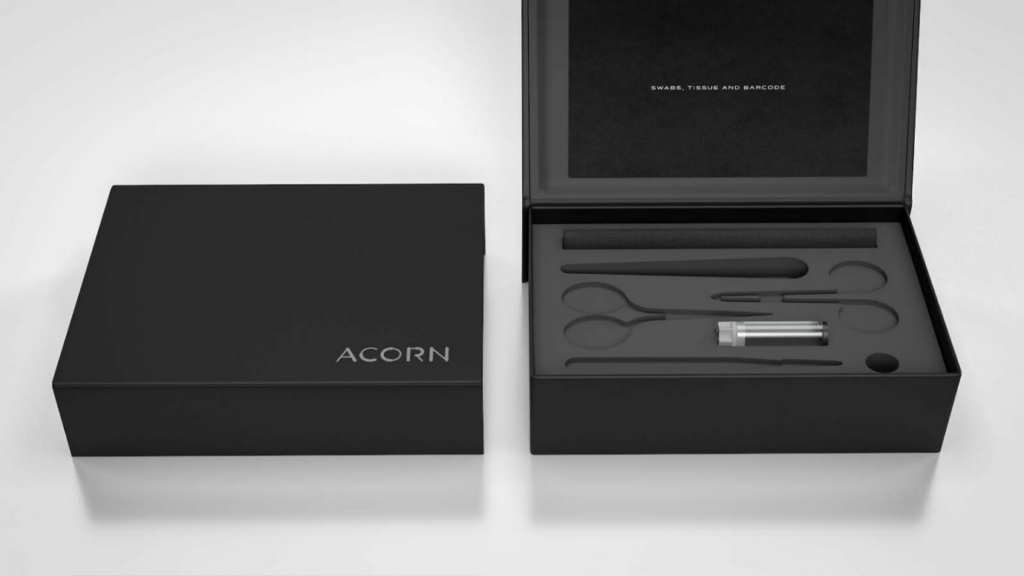
Toronto Hair Transplant Surgeons partners with Acorn Biolabs, a Canadian biotechnology company specializing in cell preservation. Their technology is designed to securely store a patient’s own hair follicle cells for potential future use as regenerative medicine continues to evolve.
It’s important to understand that cell banking is not hair cloning, nor does it guarantee future treatment options. Rather, it represents an investment in preserving healthy cells today while research into regenerative therapies continues to advance.
Looking Ahead
Hair cloning represents one of the most exciting areas of regenerative medicine because it has the potential to address one of the greatest limitations of hair transplantation: donor hair supply.
Researchers continue to make meaningful progress, and there is genuine reason for optimism.
At the same time, patients should approach headlines and marketing claims with healthy skepticism. Scientific breakthroughs require rigorous testing before they become safe, reliable treatments available in everyday clinical practice.
Conclusion
Hair cloning remains one of the most promising developments on the horizon for hair restoration, but it is not yet a treatment that patients can routinely access.
Fortunately, individuals experiencing hair loss today already have several proven options, including medical therapy, PRP, low-level laser therapy, and modern hair transplantation. These treatments continue to evolve while regenerative research moves forward.
As new technologies become clinically validated, Toronto Hair Transplant Surgeons will continue to evaluate them carefully and incorporate evidence-based advances that genuinely benefit our patients.
Until then, the best treatment is the one supported by today’s science—not tomorrow’s headlines.